

TL;DR
A SERP keyword rank checker is an online tool that shows you exactly where your website ranks on Google for a specific search term. Manual checks are often inaccurate due to personalized results, but these tools provide objective data. Many powerful and free SERP checkers are available online, allowing you to instantly track your SEO performance and analyze your competition without any registration.
What Is a SERP Rank Checker and Why Is It Essential?
A SERP (Search Engine Results Page) keyword rank checker is a specialized tool designed to identify a website's exact position in the search results for a given keyword. When you manually search for a term on Google, the results you see are often tailored to your location, search history, and device. This personalization makes it nearly impossible to know how your site truly ranks for the average user. A SERP checker bypasses these biases to deliver impartial, accurate ranking data.
For anyone serious about search engine optimization (SEO), this tool is indispensable. It provides the critical feedback needed to measure the effectiveness of your SEO efforts. Without it, you are essentially flying blind, unable to determine if your strategies are improving your visibility or failing to make an impact. Consistent monitoring helps you spot ranking drops before they cause significant traffic loss and allows you to capitalize on upward trends.
Furthermore, these tools are vital for competitive analysis. By checking the rankings of your competitors, you can understand their SEO strengths and weaknesses. For example, you can identify the high-value 'money keywords' that drive traffic to their sites, as noted by SERPs.com, and discover opportunities to outperform them. This insight allows you to refine your own strategy, target more effective keywords, and create content that better meets user intent, ultimately helping you achieve better rankings.
The primary benefit of using a dedicated checker over manual searches is the quality and consistency of the data. These tools can simulate searches from different geographic locations and on different devices (mobile vs. desktop), which is crucial for both local and global SEO strategies. This capability ensures the data you collect is relevant to your target audience, wherever they are.
Free vs. Paid Rank Checkers
While free tools are excellent for quick checks, paid rank tracking suites offer more advanced features for ongoing campaigns. Here’s a quick comparison:
| Feature | Free SERP Checkers | Paid Rank Trackers |
|---|---|---|
| Usage Limit | Often limited to a few checks per day | High or unlimited checks |
| Keyword Tracking | Manual, one-time checks | Automatic, daily tracking with history |
| Competitor Analysis | Basic, manual checks | Automated competitor tracking and alerts |
| Reporting | No historical data or reports | Detailed historical graphs and scheduled reports |
| Best For | Quick spot-checks and occasional analysis | Serious SEO campaigns and agencies |
The Best Free SERP Keyword Rank Checkers
Choosing the right tool depends on your specific needs, from quick spot-checks to in-depth analysis. Many free options provide powerful features without requiring a subscription. They offer a perfect starting point for monitoring your website's performance and understanding the competitive landscape. Here are some of the best free SERP keyword rank checkers available.
Ahrefs SERP Checker
Ahrefs offers a robust free tool that goes beyond simple rank checking. It displays the top 10 Google results and enriches them with critical SEO metrics for each URL, such as Domain Rating (DR), URL Rating (UR), and backlink counts. This feature, detailed on their SERP Checker page, is invaluable for gauging the ranking difficulty of a keyword at a glance. It’s the ideal tool for users who need to quickly assess the competitive landscape and understand the authority of top-ranking pages.
Best for: In-depth competitive analysis and evaluating keyword difficulty.
WhatsMySerp
WhatsMySerp provides a straightforward and generous free checker that shows the top 100 search results, allowing for a broader view of the SERP. As highlighted on their website, users get 10 free checks per day without needing to sign up. Its clean interface and ability to check multiple keywords at once make it highly efficient. The tool also includes options to specify location and device, making it a great choice for businesses focused on local SEO.
Best for: Quick, high-volume checks and local SEO analysis.
Serprobot
Serprobot is designed for speed and simplicity. It allows you to check up to 10 keywords simultaneously and select from various Google regions to get localized results. According to their free tool page, it provides both desktop and mobile rankings, which is essential for a complete SEO picture. While it heavily promotes its paid automated tracking service, the free version is an excellent resource for instant, no-frills rank checks.
Best for: Fast, multi-keyword checks across different regions.
SEOmator Google Rank Checker
SEOmator's tool emphasizes providing fresh, accurate data every time. Its landing page acts as an educational resource, explaining the importance of SERP tracking for a successful SEO strategy. The tool itself is easy to use, requiring just a domain, keyword, and location. It’s a solid choice for those who want a reliable checker backed by a suite of other SEO tools, as shown on the SEOmator site.
Best for: Users who want a simple, reliable tool with educational context.
Key Features to Evaluate in a SERP Checker
Not all SERP checkers are created equal. When selecting a tool, whether free or paid, there are several key features to consider to ensure you're getting accurate and actionable data. Evaluating these aspects will help you choose a checker that aligns with your SEO goals and provides trustworthy insights.
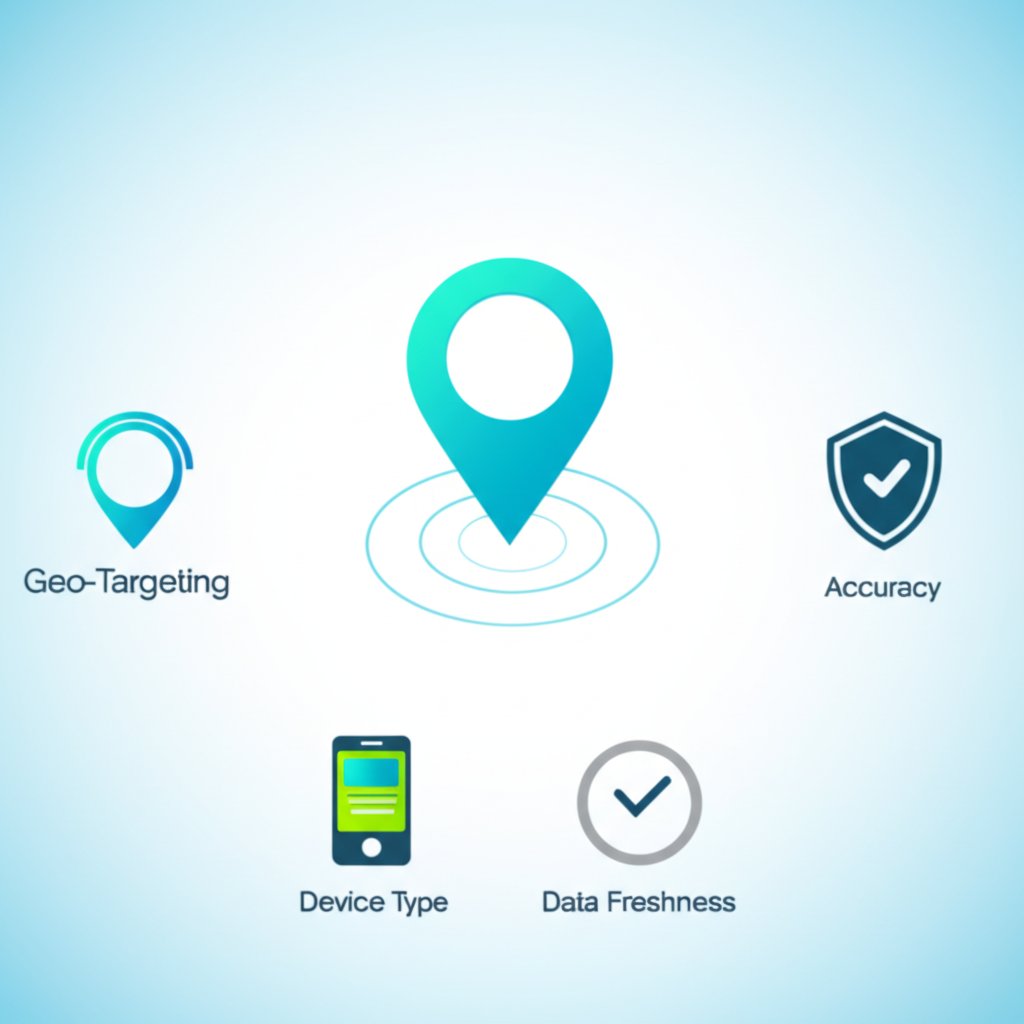
- Geographic Accuracy: Your website can rank differently in New York versus Los Angeles. A quality SERP checker allows you to specify a country, state, or even city to get precise local rankings. This is non-negotiable for local businesses or any company targeting specific regional markets. Without it, you're looking at a distorted picture of your performance.
- Device Targeting: With Google's move to mobile-first indexing, knowing your mobile rankings is just as important as knowing your desktop rankings. The search results can vary significantly between devices. A reliable tool must offer the ability to switch between mobile and desktop views to provide a complete understanding of your visibility.
- Data Freshness: The SERPs are constantly changing. A good tool should provide real-time or very recent data, not cached results from days or weeks ago. Fresh data ensures that you are reacting to current rankings, allowing you to make timely strategic adjustments.
- SERP Feature Analysis: Modern SERPs are more than just ten blue links. They include featured snippets, 'People Also Ask' boxes, video carousels, and local packs. Advanced checkers will not only show your organic rank but also indicate if your URL (or a competitor's) is captured in one of these valuable SERP features, revealing additional visibility opportunities.
How to Leverage SERP Data for Strategic SEO Wins
A SERP checker is more than a vanity tool; it's a strategic compass for your entire SEO program. The data it provides can inform content creation, technical optimizations, and competitive strategy. By moving from simply observing your rank to acting on the insights, you can achieve significant SEO wins.
Here are three ways to turn SERP data into actionable strategies:
- Benchmark and Outmaneuver Competitors: Regularly track the rankings of your top 3-5 competitors for your most important keywords. When you see a competitor jump in the rankings, analyze their page. Did they update their content? Build new backlinks? Optimize for a featured snippet? This analysis reveals their strategy and gives you a roadmap to reclaim your position.
- Prioritize Your Content Strategy: Focus your efforts on 'striking distance' keywords—those ranking on the bottom of page one or the top of page two. These pages often need only a small push, such as a content refresh, improved internal linking, or a few new backlinks, to move into the top positions and capture significantly more traffic.
- Identify and Capture SERP Features: Use your SERP checker to see which queries trigger featured snippets, video results, or image packs. If competitors own these spots, it's a clear opportunity. Structure your content to directly answer the query in a format Google prefers—use Q&A formatting, add a relevant video, or optimize your images with descriptive alt text to steal that valuable SERP real estate.
Once you've used SERP data to identify these strategic content opportunities, execution becomes key. For marketers and creators looking to scale their output, AI-powered platforms can be a powerful ally. For instance, after identifying a content gap, you could use a tool to rapidly generate a comprehensive, SEO-optimized article. Marketers looking to revolutionize their workflow might consider a solution like BlogSpark, which transforms ideas into engaging posts, helping to quickly act on the strategic insights gained from SERP analysis.
Frequently Asked Questions
1. Which SERP checker is best?
The 'best' SERP checker depends on your needs. For quick, detailed analysis with SEO metrics, Ahrefs is a top choice. For checking a large number of keywords across the top 100 results, WhatsMySerp is excellent. For simplicity and speed across different regions, Serprobot is a great option. It's often wise to use a combination of tools to verify data.
2. Are SERP checkers free to use?
Yes, many high-quality SERP checkers are free to use, though they often come with limitations, such as a cap on the number of searches you can perform per day. Tools like Serprobot, Ahrefs, and WhatsMySerp all offer powerful free versions that are perfect for daily spot-checks and analysis without requiring any payment or registration.