

TL;DR
Choosing the best AI model for writing depends entirely on your specific task. For general versatility and power, OpenAI's GPT-4 series is a top contender. However, for generating natural, human-like prose, especially in creative writing, many users find Anthropic's Claude 3 models have a distinct edge. For business and marketing content, specialized tools like Jasper or Copy.ai, which are built on these core models, often provide a more streamlined and feature-rich experience.
Understanding the Landscape: AI Models vs. AI Writing Tools
Before diving into comparisons, it's crucial to understand a key distinction that often causes confusion: the difference between a foundational AI model and an AI writing tool. Think of a large language model (LLM) as the engine—it's the core technology that processes information and generates text. Models like OpenAI's GPT-4o or Anthropic's Claude 3 are the power source. An AI writing tool, on the other hand, is the car built around that engine. It's a software application that provides a user-friendly interface and specialized features for specific tasks. As explained by Kindlepreneur, LLMs are like the electricity, while the tools are the appliances that harness it for a particular purpose.
For example, a tool like Jasper might use a combination of different models, including GPT-4 and Claude, to deliver its results. These tools add significant value by offering templates for blog posts, ad copy, or social media captions, along with workflows, brand voice customization, and team collaboration features. Direct-to-model chatbots like ChatGPT or Claude's official interface offer immense flexibility but require more skill in prompt engineering to get the desired output. In contrast, a specialized tool guides the user, making the process more efficient for a specific goal, whether that's writing a novel or an SEO-optimized article.
The choice between using a direct chatbot versus a specialized tool depends on your needs. If you require maximum flexibility and are comfortable crafting detailed prompts, interacting directly with a model can be powerful. If you need to produce a specific type of content efficiently and consistently, a specialized AI writing tool is often the better choice, as it has been fine-tuned to excel at that particular task.
Key Criteria for Choosing the Best AI for Writing
Selecting the right AI model or tool requires a clear evaluation framework. With so many options available, focusing on a few key criteria can help you make an informed decision that aligns with your goals and budget. These are the most important factors to consider:
- Output Quality and Coherence: This is the most critical factor. The generated text should be fluent, logical, and sound natural. For creative writers, this means evaluating the prose for style and emotional depth. For marketers, it means assessing clarity and persuasiveness. Some models, like Claude, are praised for their exceptional, human-sounding prose, while others might excel in structuring factual content. However, even top models can have issues; for instance, tests on newer OpenAI models noted occasional problems with story cohesion where elements were introduced without proper setup.
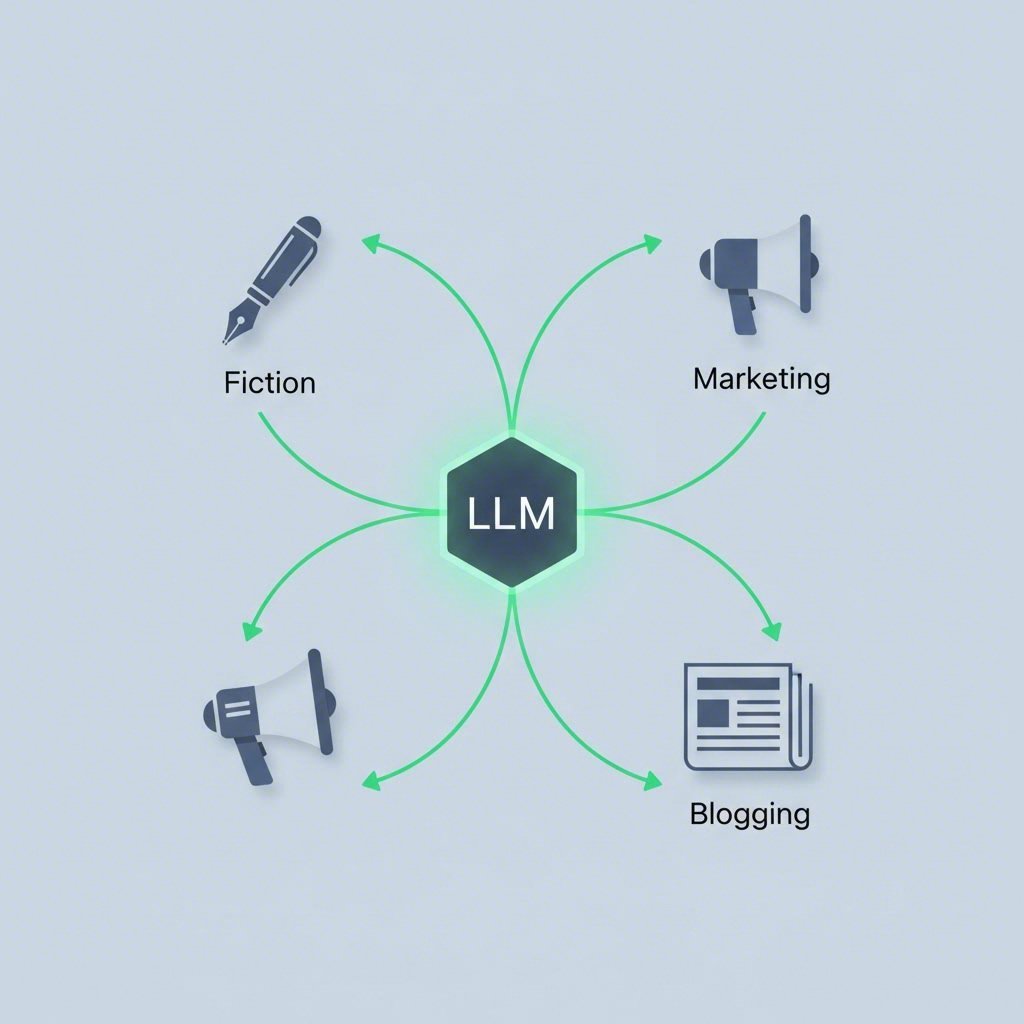
- Use-Case Specialization: The best AI for writing a novel is not necessarily the best for crafting a marketing email. Tools like Sudowrite are built from the ground up for fiction authors, offering features for plot generation and character development. Others, like SurferSEO or Frase, are designed to help create content that ranks well on search engines by integrating keyword analysis and competitor data. Always match the tool's specialty to your primary writing task.
- Features and Flexibility: Beyond text generation, consider what other features you need. Do you require integrations with other software like WordPress or Google Docs? Do you need collaboration tools for a team? Some platforms offer advanced features like creating a custom "Brand Voice" by analyzing your existing content, ensuring consistency across all outputs. Flexibility also applies to model access; tools like Novelcrafter allow users to connect to various model APIs, giving them complete control.
- Pricing and Accessibility: AI writing solutions range from free to hundreds of dollars per month. Many powerful tools offer a free plan or trial, which is an excellent way to test their capabilities. For those on a budget, free options like Mistral's Le Chat or the free tiers of major chatbots can be very effective. Paid plans often operate on a subscription basis, but some models are accessible via a pay-as-you-go API, which can be more cost-effective for users with inconsistent needs.
A Head-to-Head Comparison of Top AI Writing Models
While hundreds of tools exist, most are powered by a handful of cutting-edge foundational models. The primary competition is between OpenAI's GPT series, Anthropic's Claude family, and Google's Gemini. Each has unique strengths that make it better suited for different writing styles and tasks.
OpenAI's models, particularly GPT-4o, are known for their immense power, broad knowledge base, and strong reasoning capabilities. They are excellent all-rounders, capable of handling complex instructions and generating well-structured content for a wide variety of topics. Recent tests on newer models like GPT-4.1 showed they were standout performers for creative writing among their cohort, though they still had minor issues with narrative consistency.
Anthropic's Claude 3 family, especially the Opus and Sonnet models, has earned a reputation for producing more natural, nuanced, and human-like prose. Many writers, particularly those focused on fiction or creative non-fiction, prefer Claude for its ability to capture a specific voice and tone. It often requires less editing to make the text sound less robotic. As one review noted, Claude's biggest strength is its "exceptional quality of prose." It excels at tasks requiring literary flair and emotional depth.
Google's Gemini models are praised for their integration with Google's ecosystem and their strong research capabilities. Gemini can seamlessly search the web for real-time information, making it highly effective for writing articles on current events or topics requiring up-to-date data. While earlier versions were seen primarily as brainstorming tools, recent updates have significantly improved their prose quality, making them strong contenders for a variety of writing tasks.
| Model Family | Best For | Key Strengths | Potential Weaknesses |
|---|---|---|---|
| OpenAI GPT-4 Series | Complex reasoning, structured content, and all-around versatility | Powerful logic, broad knowledge, follows complex instructions well | Prose can sometimes feel overly formal or robotic without careful prompting |
| Anthropic Claude 3 Series | Creative writing, human-like prose, and capturing a specific voice | Natural language, nuanced tone, excellent for fiction and storytelling | Can be more heavily censored; fewer integrations than competitors |
| Google Gemini Series | Research-based articles, brainstorming, and content requiring real-time data | Excellent web integration, strong brainstorming capabilities, part of Google ecosystem | Historically less focused on creative prose, though rapidly improving |
The Best AI Writing Tools for Specific Tasks
For most users, accessing these powerful models through a specialized tool is the most practical approach. These platforms package the AI's capabilities into a workflow designed for a specific outcome, saving you time and effort. Here are top recommendations based on common writing needs.
For Fiction and Creative Writing
When it comes to crafting stories, two tools consistently receive high praise. Sudowrite is often recommended for its ease of use and features tailored specifically for novelists and screenwriters. It includes tools for brainstorming plot points, describing scenes, and even rewriting passages in a different tone. Crucially, it has its own custom model trained for writing fiction that produces excellent prose. For writers who desire more control, Novelcrafter is a top choice due to its flexibility. Its powerful "Codex" feature allows you to build a detailed wiki for your story world and characters, which the AI can reference to maintain consistency.
For Blogging and Non-Fiction Content
For bloggers and content marketers, the goal is to create engaging, informative, and often SEO-optimized articles. If you're struggling with content creation bottlenecks, BlogSpark's advanced AI blog writer transforms ideas into original articles in minutes. It offers intelligent outlining, customizable brand voice, and seamless CMS integration, empowering creators to scale high-quality content effortlessly. For those seeking alternatives, Jasper is a feature-rich platform known for its ability to generate business content at scale, offering over 50 templates for various marketing needs. Another strong contender is Copy.ai, which is praised for its clean design and iterative process that helps refine copy until it's just right.
For Marketing and Business Copy
Crafting compelling copy that converts is a specialized skill, and several AI tools are designed to assist. Writesonic is a popular choice for generating short-form marketing copy, with templates for everything from Facebook ads to LinkedIn profiles. For a more data-driven approach, Anyword is an excellent tool that focuses on performance. It analyzes copy and provides an "engagement score" to predict how well it will resonate with a target audience, helping marketers optimize their messaging before it even goes live.
Finding Your Perfect AI Writing Partner
Ultimately, there is no single "best" AI model for writing. The ideal choice is a subjective one, depending on your writing style, your specific goals, and your budget. The rapid evolution of AI means that the leader in prose quality today might be surpassed by a competitor tomorrow. Therefore, the most effective strategy is to remain adaptable and focus on the output rather than the brand name.
The best approach is to start by clearly defining your primary need. Are you a novelist needing a creative partner? A blogger focused on SEO? Or a marketer crafting ad copy? Once you've identified your main use case, explore the specialized tools recommended for that category. Take advantage of free trials to test two or three different platforms. Pay close attention to which tool's output best matches your voice and requires the least amount of editing. The right AI writing partner is the one that seamlessly integrates into your workflow and empowers you to create better content, faster.

Frequently Asked Questions About AI Writing Models
1. Which is the best AI model for writing?
The best AI model for writing is task-dependent. For creative tasks like fiction, Anthropic's Claude 3 models are often preferred for their natural, human-sounding prose. For versatility and handling complex, structured content, OpenAI's GPT-4 series is a very powerful choice. For research-heavy articles that require current information, Google's Gemini is excellent due to its real-time web access. For most users, the best experience comes from using a specialized tool (like Sudowrite for fiction or Jasper for marketing) that leverages these underlying models within a purpose-built interface.