
TL;DR
Finding the best AI for script writing depends entirely on your project's needs. Tools like NolanAI, Squibler, and Jasper lead the pack, offering specialized features that streamline the creative process. These platforms use advanced AI to help you generate ideas, automate industry-standard formatting, overcome writer's block, and refine everything from YouTube video outlines to full-length feature film screenplays. Ultimately, they serve as powerful assistants, turning your initial concepts into polished first drafts much faster.
What Is an AI Script Writer and How Does It Work?
An AI script writer is a specialized software tool designed to assist creators in the process of writing scripts for various media, including films, television, and online videos. Unlike general-purpose AI chatbots, these tools are built with the conventions of storytelling and screenplay formatting in mind. They leverage large language models (LLMs) to understand context, character, and plot structure, acting as a creative partner to help you develop your ideas. The core function is simple: a writer provides a prompt, an outline, or a basic idea, and the AI expands upon it, generating scenes, dialogue, and action descriptions.
The technology works by analyzing vast datasets of existing screenplays, literature, and other text-based content to learn the patterns of compelling narratives. When you ask it to create a scene, it's not just randomly generating words; it's predicting the most logical and creative sequence of events and dialogue based on the inputs you've provided and the genre conventions it has learned. Many platforms also incorporate features that allow for more granular control, letting you guide the AI's output to better match your vision.
These tools offer a wide range of capabilities to accelerate the pre-production workflow. They can help with:
- Idea and Outline Generation: Transforming a simple concept into a structured three-act outline.
- Character Profiles: Creating detailed backstories and profiles for your characters.
- Dialogue and Scene Writing: Generating natural-sounding dialogue or fleshing out entire scenes based on a brief description.
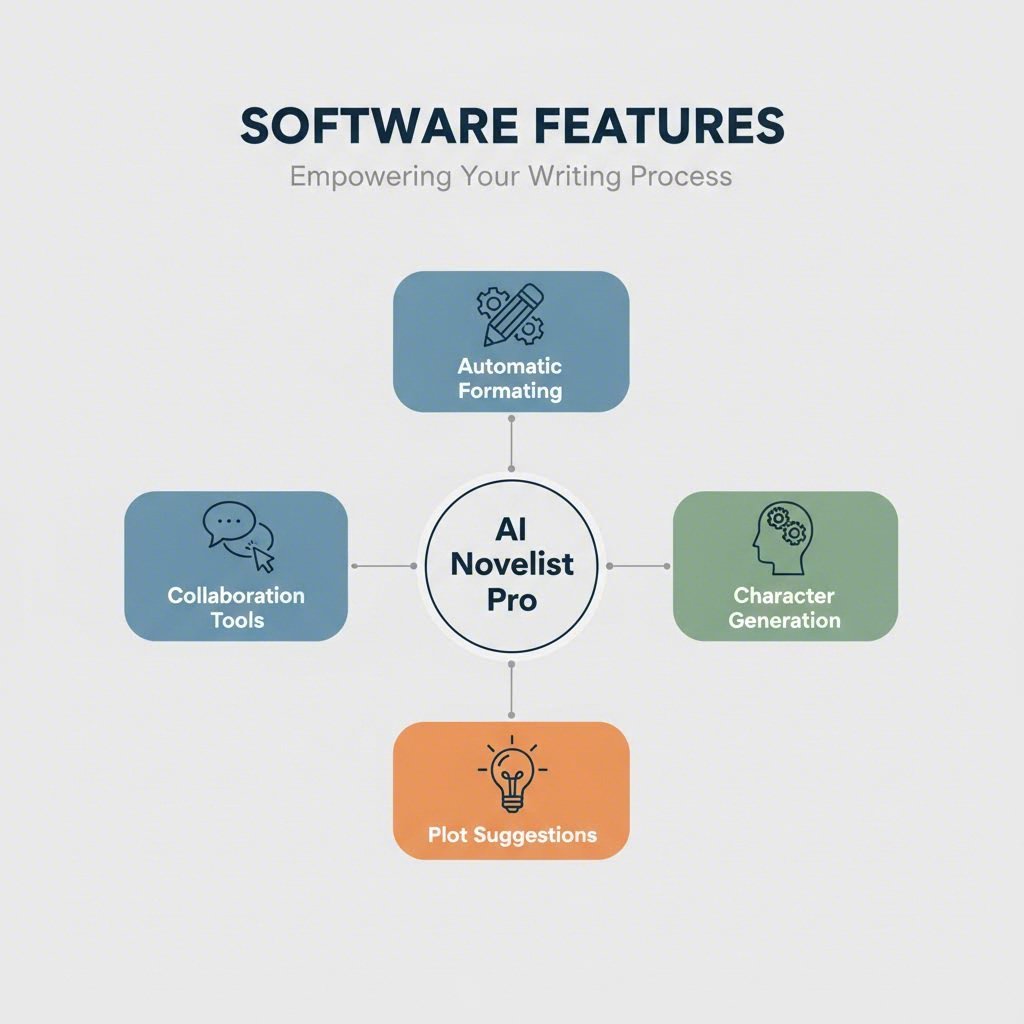
- Automatic Formatting: Ensuring your script adheres to industry standards for scene headings, character names, and dialogue, saving you hours of tedious manual work.
- Rewriting and Refining: Suggesting alternative phrasing, improving pacing, or enhancing descriptions to make your script more impactful.
While these AI tools are incredibly powerful for script writing, it's worth noting that similar AI technology is revolutionizing other content formats as well. For instance, creators and marketers looking to produce written content for websites can use tools like BlogSpark's advanced AI blog writer, which transforms ideas into SEO-optimized articles. This shows how AI is becoming a versatile assistant across the entire creative industry, tailored to the unique demands of each medium.
Key Features to Evaluate in AI Script Writing Tools
Not all AI script writers are created equal, and the best choice for you will depend on your specific needs, budget, and project type. To make an informed decision, it's crucial to evaluate several key features. Understanding these differentiators will help you move from a general query like "which is the best AI for writers?" to a specific choice that empowers your creative process.
First, consider the core AI Writing & Generation Engine. Some tools excel at generating entire scripts from a single prompt, while others function more like a "copilot," offering suggestions and completing sentences as you write. Look for features like plot generation, character creation, and dialogue enhancement. A tool like Squibler, for example, allows you to generate a complete script from a draft or build it scene by scene with its AI Smart Writer.
Formatting and Templates are non-negotiable for serious screenwriters. The software must automatically format your script to industry standards. A top-tier tool will provide templates for different formats, such as feature films, sitcoms, or one-act plays. NolanAI is noted for its powerful editor with advanced formatting options that ensure your work is professional from the start.
For those working in teams, Collaboration Tools are essential. The ability to share scripts, leave comments, and co-write in real-time can dramatically improve workflow. Furthermore, Security and IP Protection are paramount. Your ideas are valuable, so choose a platform that offers secure encryption to protect your work, a feature highlighted by NolanAI. Finally, evaluate the Pricing Model. Many tools offer a free tier or trial, which is a great way to test capabilities before committing. This addresses the common search for the "best AI for script writing free," allowing you to find a powerful tool without an initial investment.
| Feature | NolanAI | Squibler | Jasper |
|---|---|---|---|
| Core Function | AI Copilot & Full Editor | Full Script Generation & AI Smart Writer | Template-Driven Content (YouTube) |
| Industry Formatting | Yes, advanced options | Yes, with various templates | Yes, within templates |
| Collaboration | Yes, real-time co-writing | Primarily single-user focused | Yes, team features available |
| Security | Secure Encryption | Standard user protection | Enterprise-level security |
| Best For | Screenwriters needing security & collaboration | Writers wanting to generate full drafts quickly | YouTube creators and marketers |
The 7 Best AI Script Writing Tools to Consider
Navigating the growing market of AI script writers can be challenging. To help you find the perfect tool, here is a breakdown of seven leading options, each with unique strengths tailored to different types of creators.
1. NolanAI
NolanAI is a comprehensive, free-to-start script writing software that prioritizes both AI assistance and security. It's designed for screenwriters who need a robust toolset, featuring an industry-standard editor, advanced formatting, and an AI Copilot that provides intelligent editing suggestions to improve storytelling. One of its standout features is secure encryption, giving writers peace of mind that their intellectual property is protected. With revision tracking and offline capabilities, it’s a versatile choice for both solo writers and collaborative teams.
2. Squibler
Squibler positions itself as a superhuman AI screenwriter capable of turning a simple idea into a movie-quality script. Its main appeal is its powerful generation capability; you can upload a basic draft and have the AI transform it into a complete, well-structured screenplay. Alternatively, writers who prefer more control can use the AI Smart Writer to generate or refine their script scene by scene. Squibler also offers unique features like character element creation and even a service to print a hard copy of your finished script.
3. Jasper
While Jasper is a broad AI content platform, its specialized YouTube Script Writer tool is exceptionally powerful for content creators. It excels at creating engaging and memorable video scripts that are perfectly structured for the YouTube format, including hooks, main points, and calls to action. Jasper's strength lies in its template-driven approach, which helps users of any skill level generate high-quality scripts quickly. It's an ideal solution for marketers, brands, and YouTubers looking to scale their video production efficiently.
4. Saga
Saga is a tool built for ambitious cinematic projects, offering a suite of AI-powered features that go beyond just script writing. Users can develop screenplays, create storyboards, and even generate previz animations, making it a comprehensive pre-production hub. Saga helps creators plot their projects from a basic idea, offering assistance with story development, camera technique planning, and script editing. It's best suited for filmmakers who want an integrated tool to visualize their script as they write.
5. Synthesia
Synthesia is a popular and effective AI script generator known for its simplicity and speed. Users can generate a ready-to-use script almost instantly by entering a prompt, uploading a document, or even pasting a URL. It's particularly effective for generating scripts for YouTube videos and video ads. A key advantage of Synthesia is its ability to adapt to user-defined parameters, ensuring the final script aligns closely with the desired tone, theme, and messaging goals.
6. Melies
Named after the pioneering filmmaker Georges Méliès, this tool is dedicated to empowering indie filmmakers. Melies aims to be a one-stop-shop for AI-powered filmmaking, offering tools to generate unique story ideas, outlines, and full scripts across various genres. Beyond writing, it includes AI generators for images, video, and sound, along with an advanced video editor. This makes Melies an excellent choice for creators who want to handle the entire production process, from script to screen, within a single ecosystem.
7. ChatGPT
As one of the most well-known AIs, ChatGPT serves as a versatile and accessible tool for script writing, especially for brainstorming and initial drafting. While it lacks the specialized formatting and project management features of dedicated script writers, its conversational interface makes it excellent for exploring plot points, developing character dialogue, and overcoming writer's block. Many writers use it to generate a foundational outline or specific scenes before transferring the content to a professional script editor for formatting.
Choosing the Right AI: YouTube Scripts vs. Feature Films
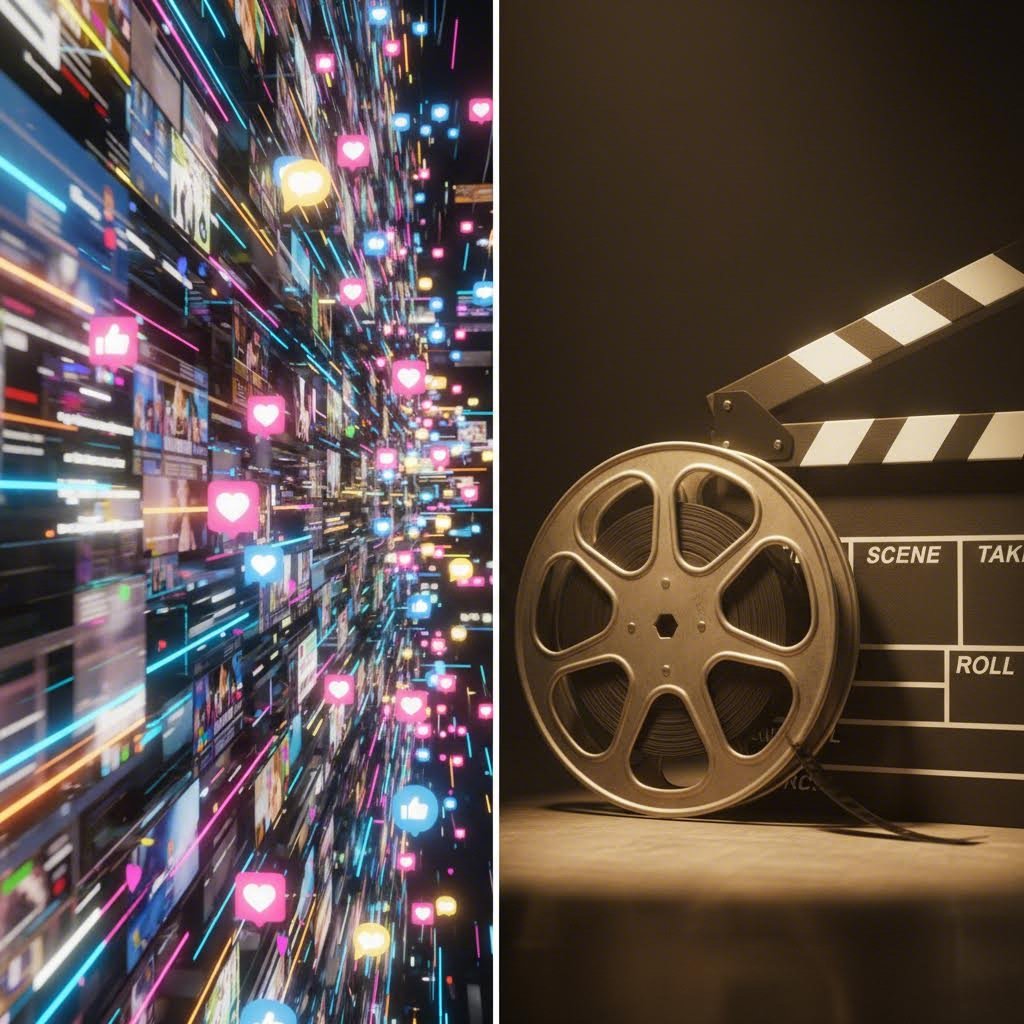
The "best" AI for script writing is not a one-size-fits-all solution; the ideal tool fundamentally depends on the final medium. The requirements for a fast-paced, 10-minute YouTube video are vastly different from those of a 90-page feature film screenplay. Understanding these differences is key to selecting software that will enhance, not hinder, your creative workflow.
For YouTube and online content creators, the priorities are speed, engagement, and clarity. Scripts need a strong hook within the first few seconds, a clear and concise body, and a compelling call to action. The structure is often more direct and less focused on complex subplots. AI tools like Jasper and Synthesia are specifically designed for this environment. They use templates optimized for video marketing and audience retention, helping you quickly generate outlines and scripts that get straight to the point and keep viewers watching.
On the other hand, screenwriters and filmmakers require tools that support deep narrative development. Feature film scripts demand intricate plot structures, multi-dimensional character arcs, and flawless industry-standard formatting. The creative process is a marathon, not a sprint. For this, you need software like NolanAI or Squibler. These platforms offer robust features for managing complex projects, including character profile generators, revision tracking, and advanced formatting options that are essential for producing a professional screenplay ready for submission.
Here’s a direct comparison of the priorities for each format:
- Pacing: YouTube scripts prioritize a fast, energetic pace to maintain attention, while feature films develop a deliberate pace to build tension and emotion over a longer runtime.
- Structure: A YouTube script might follow a simple problem-solution format, whereas a screenplay typically adheres to a three-act structure with specific turning points.
- Focus: Content for YouTube often centers on delivering information or entertainment efficiently. A film's focus is on character journey and thematic exploration.
- Dialogue: Dialogue in online videos is often direct and explanatory. In film, it's crafted to reveal character, advance the plot, and sound naturalistic.
Ultimately, your first step should be to identify your primary project type. If you're building a YouTube channel, choose a tool that excels at quick, engaging content. If you're writing the next great blockbuster, invest in a platform designed for long-form, narrative storytelling.
Frequently Asked Questions
1. Can ChatGPT make scripts?
Yes, ChatGPT can be a very effective tool for creating scripts. It excels at brainstorming ideas, generating dialogue, outlining plot points, and even writing entire scenes from a prompt. While it doesn't have built-in, industry-standard screenplay formatting, it's an excellent starting point for getting a first draft down before moving it to a dedicated script editor for polishing.
2. Which is the best AI for writers?
The best AI for writers depends on the type of writing. For general-purpose writing and short-form content, a versatile tool like Jasper is often recommended. For novelists, other specialized tools might be better. For scriptwriters, dedicated platforms like NolanAI or Squibler are superior because they offer specific features like automatic formatting, character management, and plot structuring tools that general AI writers lack.
3. Can you tell if a script was written by AI?
While AI-detection tools exist, none can determine with 100% certainty if a script was AI-generated. AI-written text can sometimes feel generic, lack a unique voice, or contain logical inconsistencies. However, as the technology improves, it is becoming increasingly difficult to distinguish between human and AI-written content, especially when a human writer has guided and edited the AI's output.
4. Is ChatGPT the best AI writer?
ChatGPT is arguably the most versatile and accessible AI writer, but it is not always the best for every task. It is a generalist tool. For specialized tasks like script writing, dedicated software often provides a better workflow and more relevant features. Tools built specifically for screenwriters offer critical advantages like correct formatting, collaboration features, and a deeper understanding of narrative structure that a general chatbot may not provide.